Start your Free 15-Day Trial Today!
Select your plan to get started!

SpinOne for
Google Workspace™

SpinOne for
Microsoft 365

SpinOne for
Salesforce

SpinOne for
Slack
Start Your Free Trial in Minutes
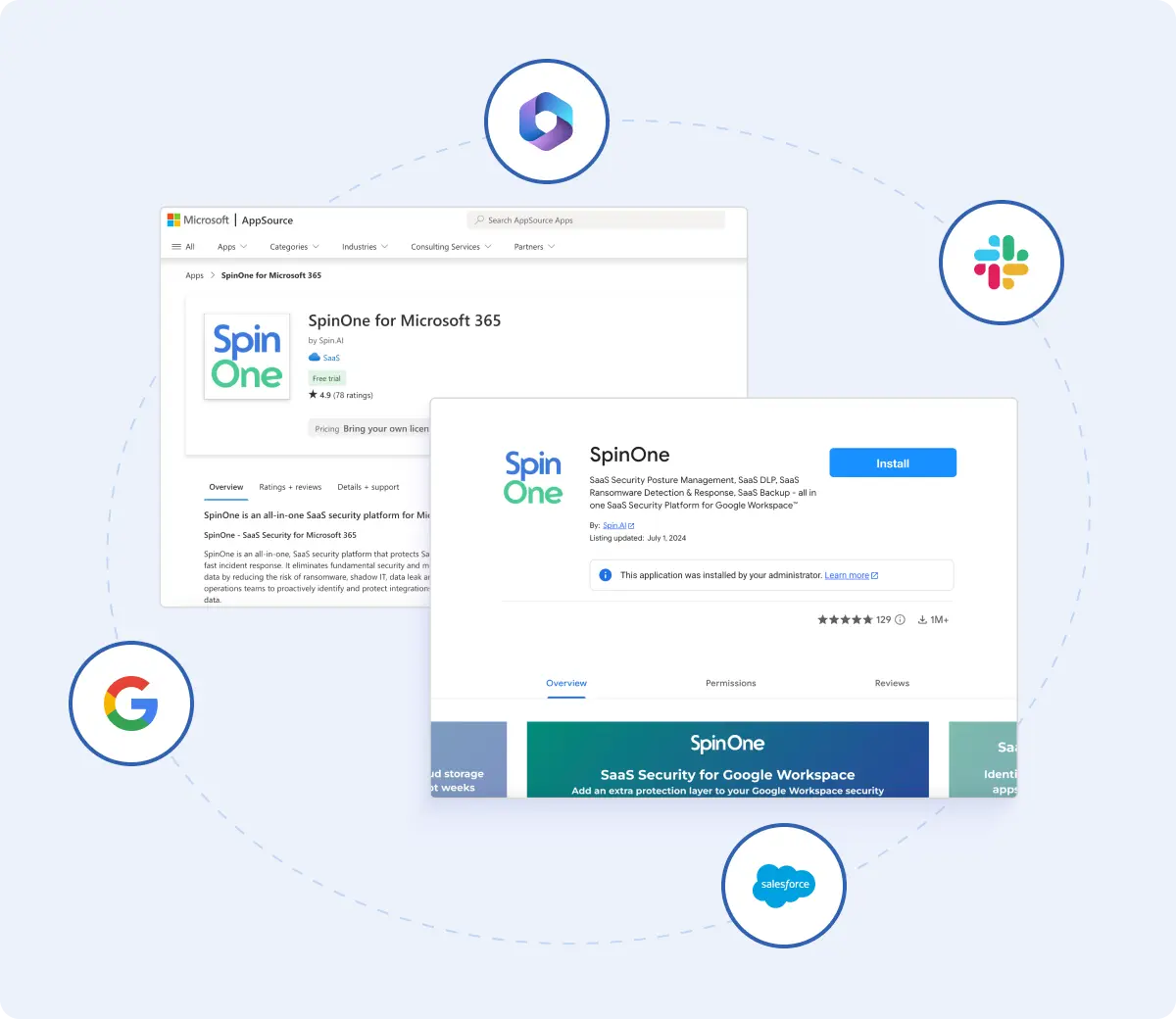
Step 1: Install the SpinOne App
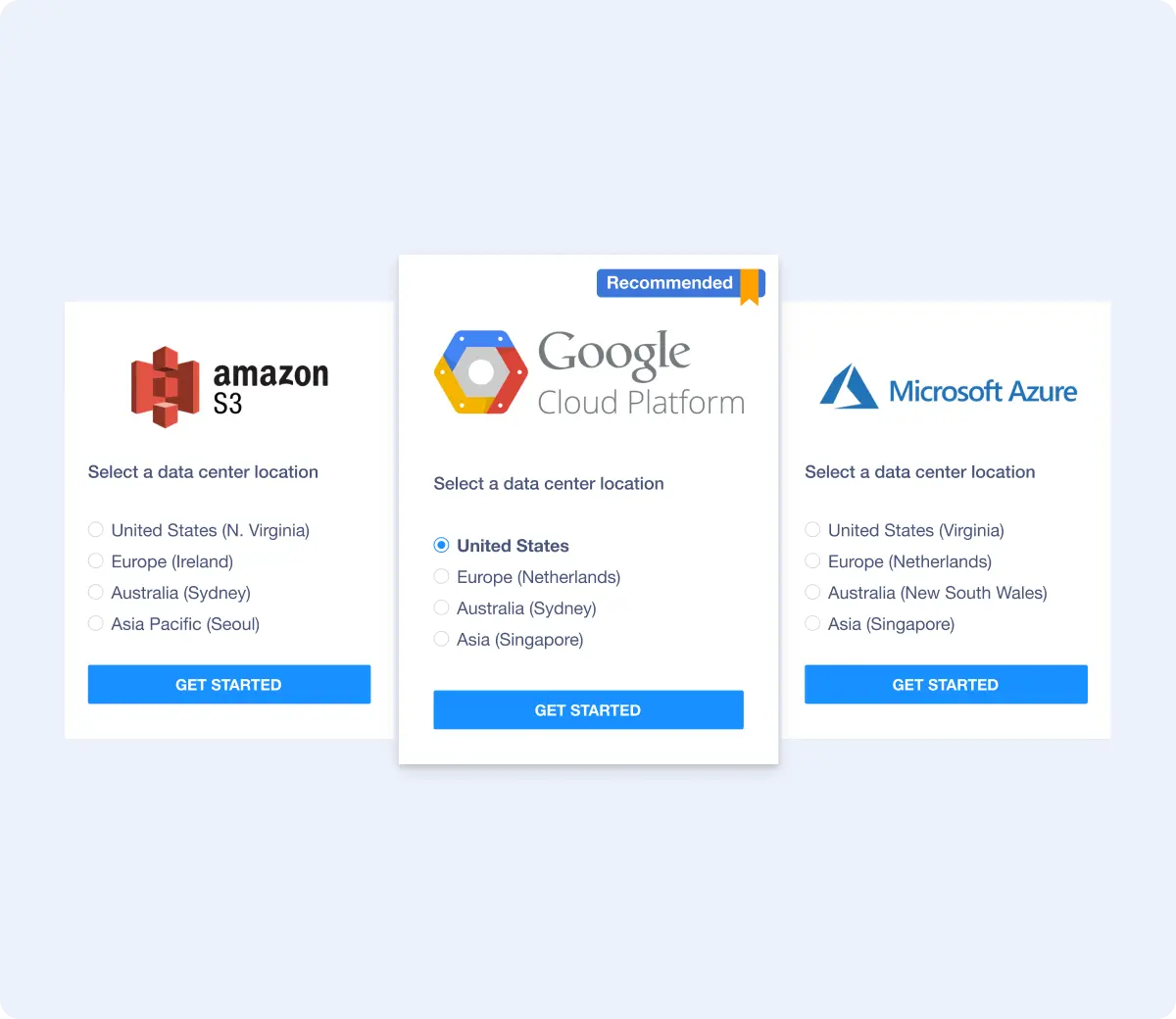
Step 2: Select a Storage Provider
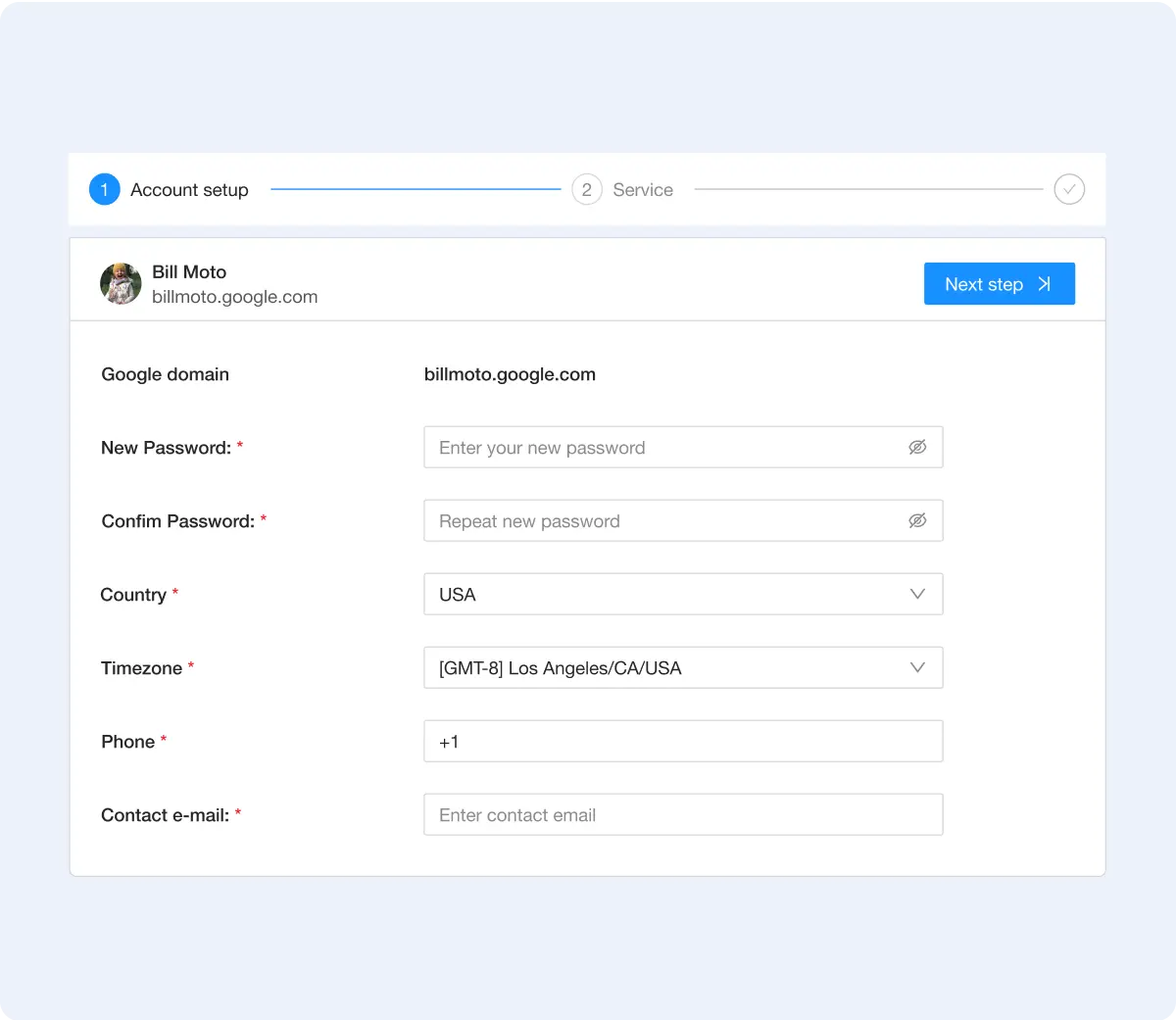
Step 3: Set up Your Account
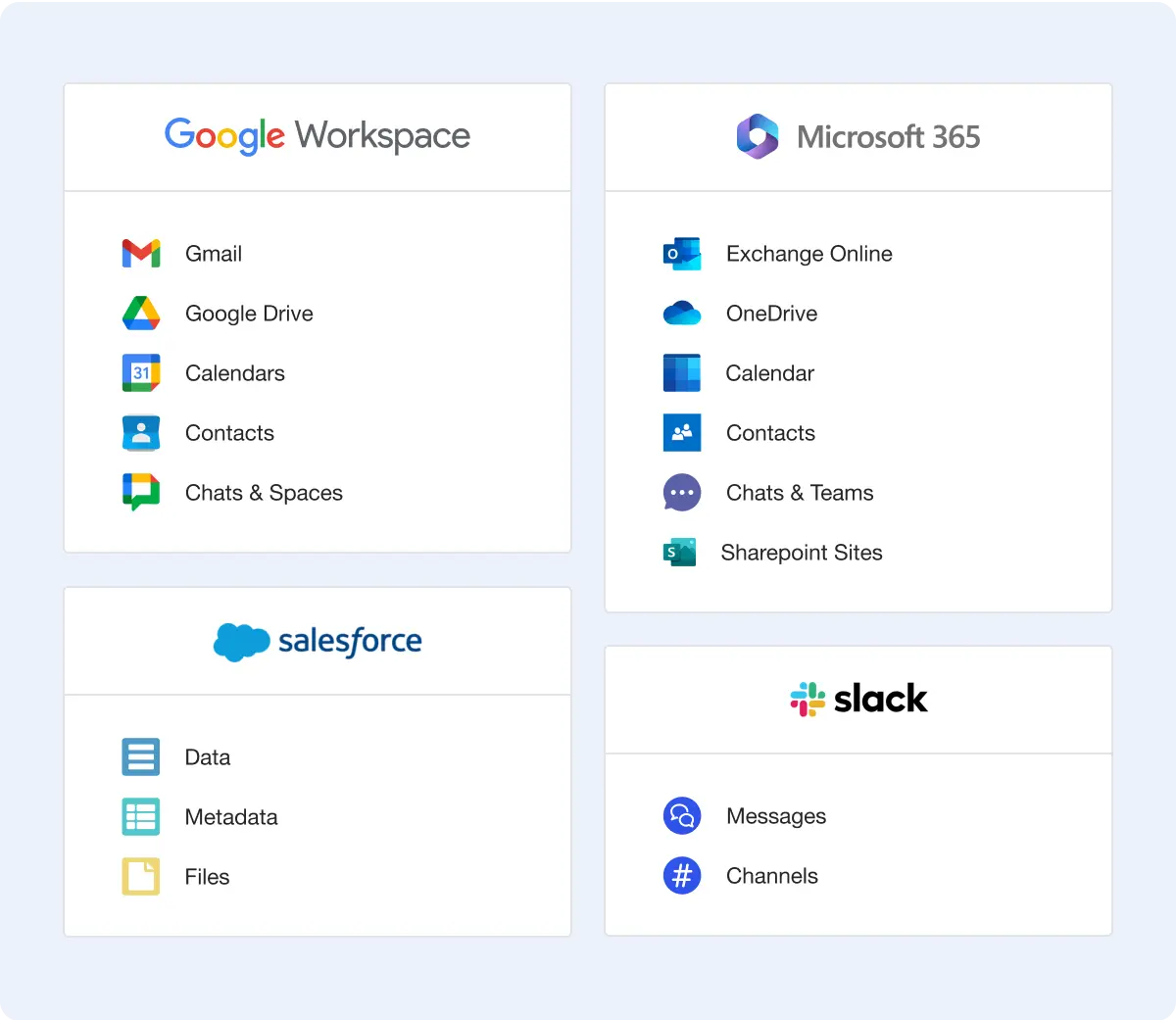
Step 4: Choose Services Protected
What You Gain from 15-day Free Trial

Full Platform Access
Experience the complete power of SpinOne, including Backup, SSPM, and DSPM/DLP.
Fully Self-Service
Get started in minutes. No sales calls, no delays—just install the app and start using SpinOne.
No Commitment
No commitment, no credit card required. Explore SpinOne on your terms.
Frequently Asked Questions
How long does the free trial last?
The trial is 15 days.
Can I extend my free trial?
No, the free trial lasts only for 15 days and cannot be extended.
Do I need a credit card to start the free trial?
No – you don’t need a credit card to start a free trial.
What is the difference between the paid version of SpinOne and a free trial?
The main differences between the free trial and the paid version of SpinOne are the 15-day trial limit and the inclusion of API integrations in the paid version. During the trial, you’ll have full access to all SpinOne products.You can easily upgrade to the paid version at any time to continue enjoying these features without interruption. For more details, visit our pricing page or contact our sales team to schedule a demo and discover all the benefits the paid version offers.
What’s the benefit of SpinOne compared to other solutions?
SpinOne is an all-in-one SaaS security platform offering a range of solutions, including:
- SaaS Security Posture Management
- App & Browser Extensions Risk Assessment
- SaaS Data Security Posture Management
- Ransomware Detection & Response
- Backup, Archive & Disaster Recovery
SpinOne helps reduce security costs, simplify security operations, save time, and improve compliance.
Can I cancel my account?
Yes, you may cancel your account at any time. Please note that as you cancel your account, all your data will be automatically removed from the Spin.AI servers. To cancel your account, you need to send us a request from your dashboard. Also, keep in mind while you have canceled your service, your payment will continue for the contract you signed up for.
How do I recover my data once my 15-day free trial ends?
SpinBackup has a local download function. You can use it to download the backed-up data on your local device.
What should I have ready before activating a SaaS security platform?
Before launch, confirm super-admin consent for Google Workspace or Microsoft 365, define RBAC roles, set retention and legal hold requirements, and identify priority business units or domains for a phased rollout. Prepare a sanctioned app/extension list for DLP and enterprise browser security, SIEM/SOAR/ITSM endpoints for alert routing, and an incident response contact list; Spin.AI provides a preflight checklist and role templates to streamline this step.
How long does deployment usually take and what are the key phases?
Most mid‐market teams connect tenants via API in minutes, enable automated backup and archiving on day one, run an initial SSPM/DSPM assessment within hours, then tune DLP and ransomware detection and response policies over several days. Expect a short pilot (1–2 weeks) to validate restores, posture improvements, and alert integrations, with broader rollout following quickly; Spin.AI typically enables day‐one value while supporting sub‐two‐hour downtime objectives for SaaS ransomware incidents.
Can we roll out in phases without disrupting users?
Yes — start with a pilot group (e.g., IT, security, or a high‐risk department), enable automated backup and recovery first, then layer SSPM/DSPM for configuration visibility, followed by DLP for SaaS applications and enterprise browser security controls; progressively expand to additional OUs, groups, or domains. Spin.AI supports phased deployment with policy inheritance and exceptions so you can iterate safely before global enforcement.
What are best practices for day-one configuration of backup and ransomware response?
Enable 3x daily backups, set retention aligned to compliance, place legal holds where needed, and verify item‐level and full-account restore tests for Google Workspace and Microsoft 365; then turn on ransomware behavioral detection, automatic isolation/quarantine, alert routing to SIEM/ITSM, and document a clean-restore runbook. Spin.AI enables immutable backups and automated response workflows so you can reduce downtime and validate recovery early.
Which integrations should we set up at launch to speed operations?
Prioritize SSO with your IdP, SIEM/SOAR and ITSM for alerting and ticketing, messaging channels (Slack or Teams) for real‐time notifications, and Chrome Enterprise policies for extension governance; ensure API permissions are scoped properly and that alerts include clear, actionable context. Spin.AI offers webhooks and native connectors to streamline these integrations and centralize SaaS security operations.
What metrics should we track in the first 30 days to confirm a successful launch?
Track posture score improvements (SSPM), number of misconfigurations remediated, backup success rate and restore test times, mean time to detect/respond for incidents, sensitive data exposure reductions (DSPM), DLP policy matches resolved, and risky extension/OAuth app decisions completed. Dashboards in Spin.AI surface these KPIs and export evidence for audits so you can prove early value and refine policies quickly.